A pilgrimage of faith and self-discovery
By: Margaret Ann F. Nitura
Philippine Daily Inquirer
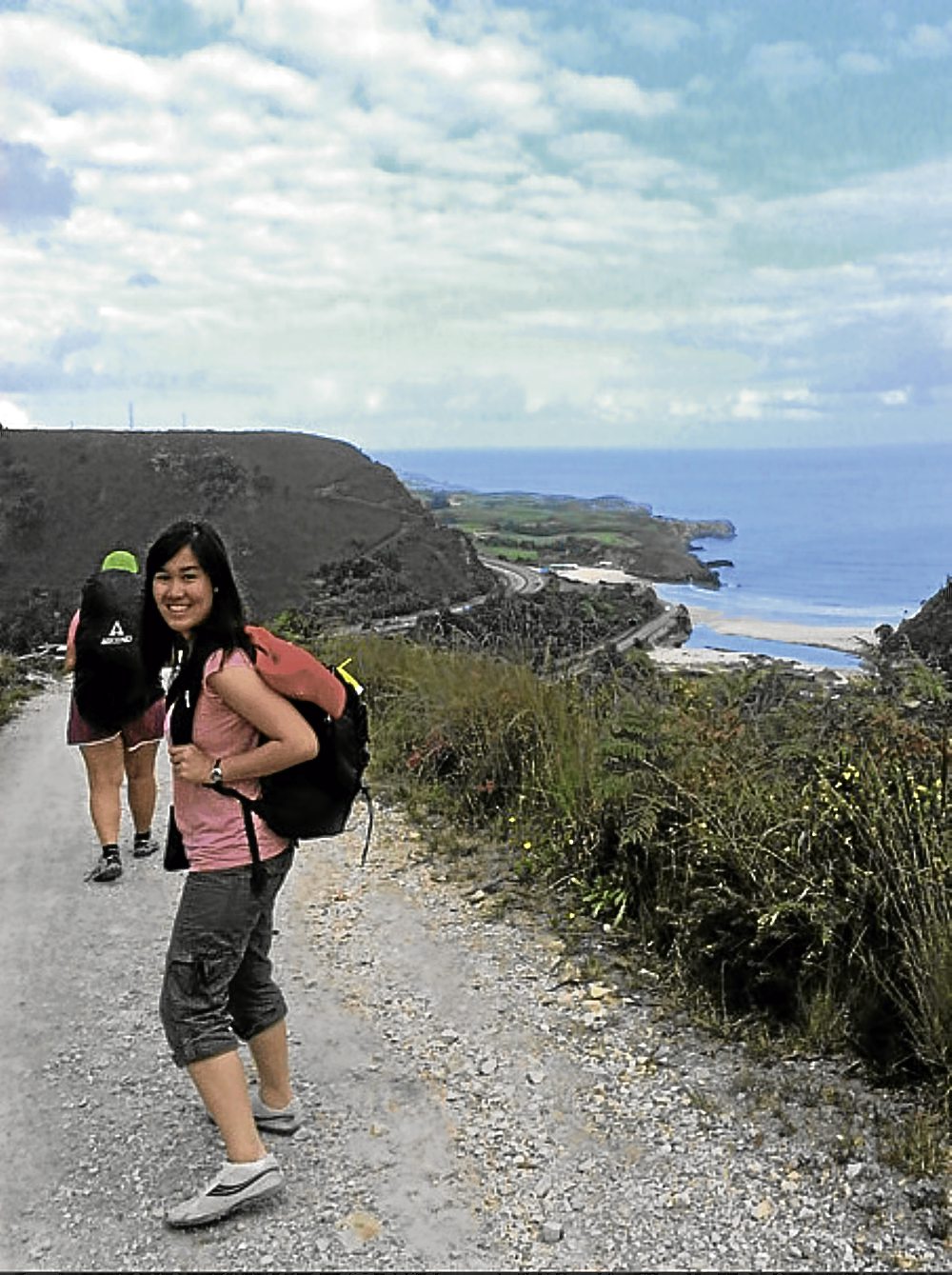 I’m both proud and grateful I was part of The World Youth Day (WYD) in Madrid. It was a once-in-a-lifetime experience, something I can never ever forget, and joining the Magis made it more meaningful.
Delegates usually come days before the WYD celebration to join the Days in the Diocese, a program organized by different diocese to prepare the pilgrims for the special day. I didn’t join the program, but instead joined Magis, together with 30 other students from the Ateneo de Manila.
Magis is a special program created by the Society of Jesus, along with other organizations, that brings together communities from all over the world that practice Ignatian Spirituality (following the example of St. Ignatius of Loyola, the founder of the Jesuits). It was a week’s worth of activities in the days leading up to the WYD.
The highlights of these activities are the “Experiences.” Magis participants are separated into groups of 25, of various nationalities, and sent out on different experiences of faith and culture, social service, arts, ecology, pilgrimage.
They were sent to Spain, Portugal, France and even Africa. I was part of the pilgrimage group, arguably the most intense “experience” of them all!
Magis meet
Initial meeting of Magis2 011 participants took place in Madrid, the actual hometown of St. Ignatius, in Loyola. It was such a beautiful place. The view of the Loyola castle and the Basilica of St. Ignatius, with its surrounding gardens and picturesque mountains as backdrop, left us in awe.
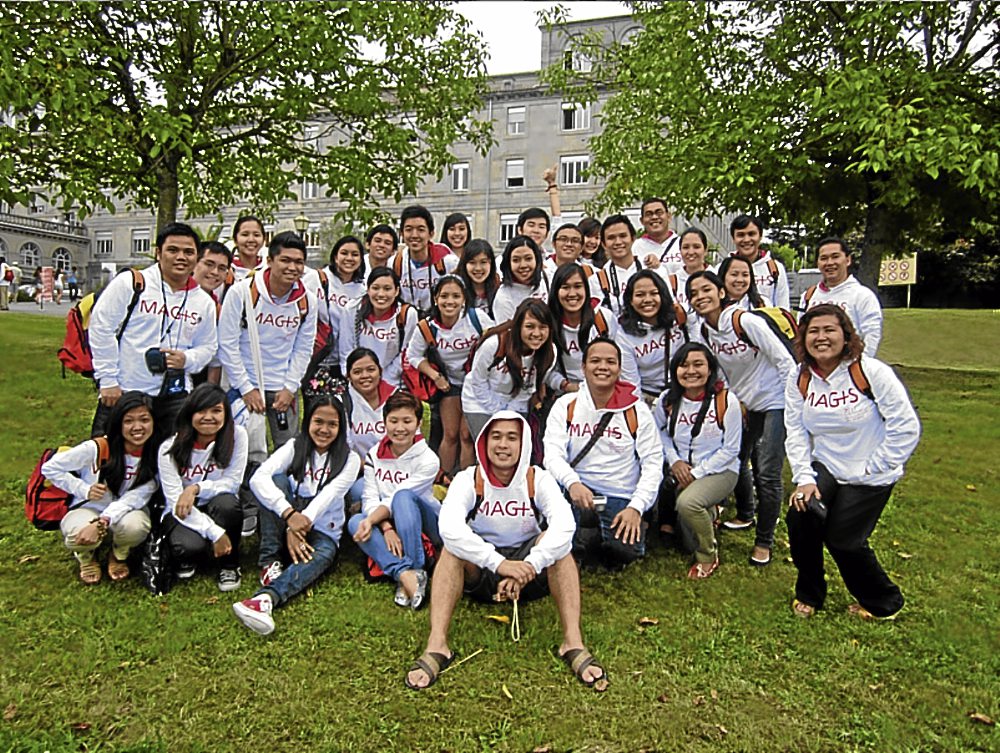
For three days, we stayed in this paradise, together with 2,500 other participants from all over the world. We had community masses, prayer sessions and catechesis. There were also concerts during the evening, Magis fair with various games and activities. We were able to explore the castle and the rest of the town.
After three days, we went to our respective “experience” grouping. The pilgrimage group was assigned to the Northern part of Spain, in Asturias.
The pilgrimage lasted for five days, and we had to haul our heavy hiking backpacks with us from one town to another. We slept in different places every night.
It was a true pilgrimage. Every day, we walked for about seven hours, at an average distance of 25 km. On the first day, we walked over 30 km in 10 hours! The paths on these walks were not always easy; we had to pass through very steep, rocky and muddy terrain.
On some days there we re not even any paths to follow; we had to make our way through thorny bushes that gave us cuts and scratches all over. Meals were simple, with just a sandwich for lunch. It took some time to get used to it.
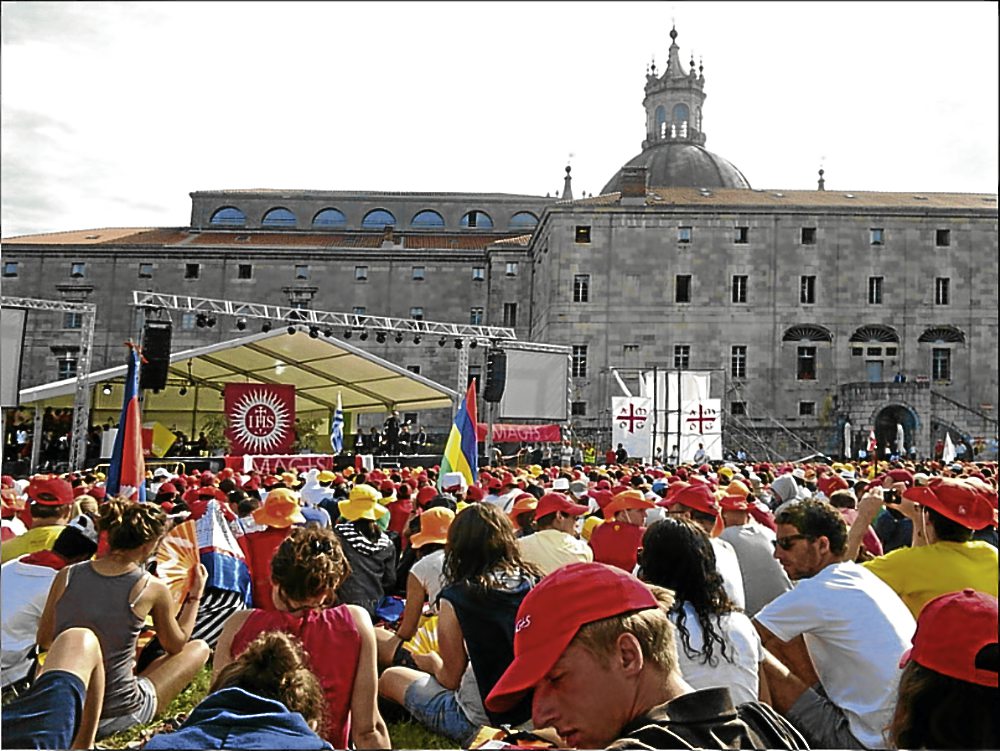 re not even any paths to follow; we had to make our way through thorny bushes that gave us cuts and scratches all over. Meals were simple, with just a sandwich for lunch. It took some time to get used to it.
Despite these challenges, we never ran out of beautiful things to see. We passed through the spectacular mountains of Picos de Europa and followed the other mountains tracing the coastline of northern Spain, facing the Cantabrian Sea. We passed by towns and villages, and saw many beaches along the way. We met many people and visited various historical and religious landmarks.
Every time we reached our destination in the evenings, we celebrated mass. Masses were cool because we just sat in a circle, in a park somewhere, and it was very relaxed and still solemn. There was even one time we Filipinos were in charge of the music for the mass.
After dinner, we participated in the “Magis Circle,” where we shared anything that happened during the day. Then, this was followed by the “Magis Examen,” where we were allowed to go anywhere on our own for some quiet time, to reflect before going to sleep.
Every day was tough because the physical challenges were so daunting, and yet we had to keep a strong mind and heart at all times because it was a special journey. The most valuable lesson I learned was to really stick it out no matter how hard the challenges were, which is, really, the spirit of “Magis”––to do more and to be more.
Realizations
An Australian girl in our group sprained her knee during one of the more difficult hikes, but she continued on the journey for five more hours. We were offering to carry her but she  insisted on walking. This was really inspiring. It made me reflect on myself—how I needed to be more like her because sometimes I tend to complain, give up easily.
 insisted on walking. This was really inspiring. It made me reflect on myself—how I needed to be more like her because sometimes I tend to complain, give up easily.
We weren’t just thrill-seekers going hiking and sightseeing in those beautiful places. We were there to discover ourselves more and to find a deeper, closer relationship with God. It was a true test of character.
However difficult it may have been, I would definitely not trade it for anything. I got so much out of the experience—new friends, new realizations, and new stories to tell. The Magis experience was nothing like I had expected, and yet, it was everything I was looking for.