Philippine Daily Inquirer
 The new beautifiers come in pills and sachets. Packed with vitamins and minerals, they give hope in reducing the signs of aging, weight gain or sun damage.
Dubbed as “beauty ingestibles,” “nutriceuticals” or “internal beauty,” these products claim that if you consume healthy elements, the body or skin should receive the benefits. If these nutrients are more utilizable, skin cells will assimilate them and thus enhance skin’s appearance.
Dermatologist Dr. Angela Cumagun, an associate professor of the University of Santo Tomas College of Medicine, pointed out that ingestibles are recommended if the individual does not get all the nutritional requirements from food.
“It’s not enough that we apply things on the skin, which is the largest organ in the body. What we eat, drink and take in are also important. Supplements tend to be underestimated. They can help to improve the skin, hair and nails.”
Antioxidants
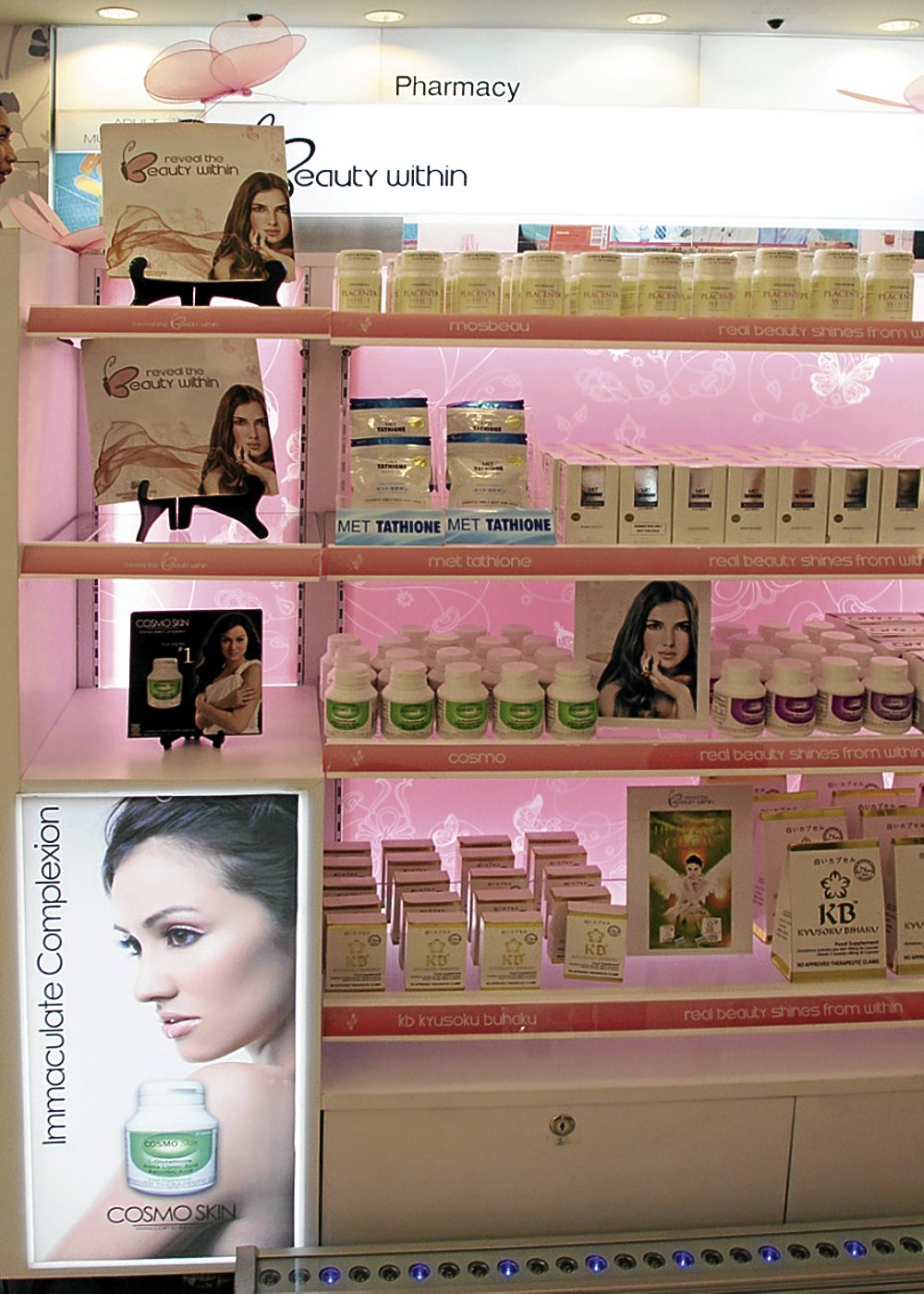
Speaking at the launch of the Watsons Beauty Within corner at SM Makati, she said specific vitamins and minerals act as antioxidants that prevent the excessive buildup of free radicals, which harm the body by bringing premature diseases and aging.
“Antioxidants are the ‘good guys’ and free radicals are the ‘bad guys.’ You get the latter from UV light, stress, alcohol and smoking. They break down the elastin and collagen fibers that cause sagging, wrinkles, and even cancer. When antioxidants face off with these free radicals, they become inactive,” she said.
Cumagun cited A, C and E as the most highly regarded vitamins. Vitamin A plays a key role in vision and cell growth. It strengthens the skin and mucus membrane that creates a barrier to germs. Retinol, its most active form, helps regenerate the skin by stimulating cell production.
Vitamin C repairs bone and tissues. It has been proven to facilitate the building of collagen. Vitamin E prevents the breakdown of body tissues and protects the cells from the sun’s harmful rays.
Some trace minerals have also been identified for their beauty benefits, said Cumagun. Zinc is involved in the synthesis of protein, essential for hair and nails, for building up cells for the immune system, and for improving body metabolism. It is vital to weight loss, acne and wound healing, and also prevents hair loss.
Selenium regulates thyroid metabolism and liver function, neutralizes the effects of alcohol and fats and maintains good skin and hair. Coenzyme Q10 produces cell energy, protects the cells from oxidation damage (loss of electrons or elements in a cell resulting from interaction between oxygen and other substances) and increases the body’s use of oxygen. As an anti-aging ingredient, it boosts skin repair.
In Asia, glutathione is the most popular for its skin lightening benefits. It is known to boost energy and controls inflammation of the cells. Cumagun cited new discoveries, such as pyncnogenol. This antioxidant with anti-inflammatory properties is said to be not only beneficial to the heart, but may also prevent the formation of melanin that causes dark spots.
The amount of supplements depends on every individual’s nutritional requirements, she said.
New concept
“Beauty just can’t come from the outside. It has to start from within,” said Victoria Encarnacion, Watsons marketing director. Beauty Within, she said, is a new concept in select Watsons stores in SM Makati, Megamall, Mall of Asia and North Edsa.
“We’ve come up with a section of products that have been existing in the Watson’s drugstores. We set up a section of ingestibles to help people become beautiful from the inside.”
The products range from pills, slimming teas and sachets. Beauty Within recently launched Potion Ivi, a powdered drink containing collagen, and Vita Pack, which contains pills for whitening, slimming and antioxidation. Both products are exclusive to Watsons.
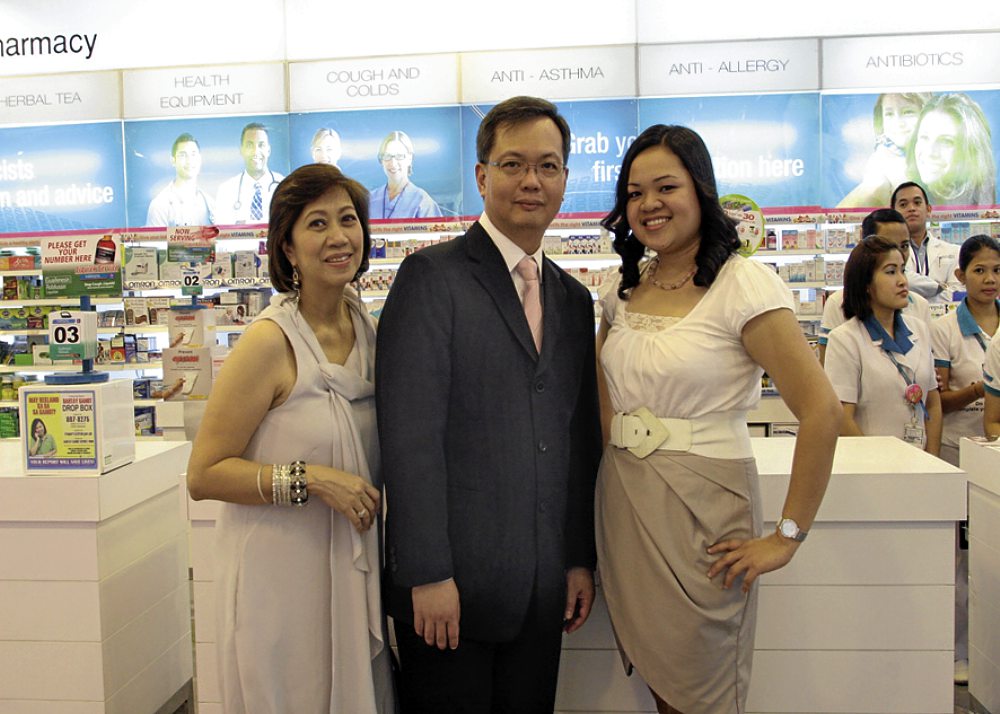 SM has been the launching pad of many successful brands, such as Mosbeau, now the No. 1 skin whitening ingestible in the market, said Encarnacion.
Lyle Morell, Watsons health business unit director, added: “There are many supplements in market place. All the advertisements and information may not be enough for you to determine which one is best for you. With Beauty Within, we are addressing the basic concerns of women from the 20s to the 40s—skin, whitening, slimming, anti-aging and detoxification. Aside from choosing the products for you, we can also provide advice. If you can’t see an expert like a dermatologist, or there’s too much from the media, the Beauty Within advisers are trained to provide information and explain the product content to help you decide.”
These advisers underwent training with a doctor of pharmacist so they can help customers select the product appropriate for one’s age and lifestyle, said Encarnacion.

