Vietnamese cuisine that’s more than just ‘pho’ (rice noodles)
‘Noodles are like hamburgers in Vietnam,’ says Aquaknox owner-chef Danny Vu
By: Marge C. EnriquezPhilippine Daily Inquirer
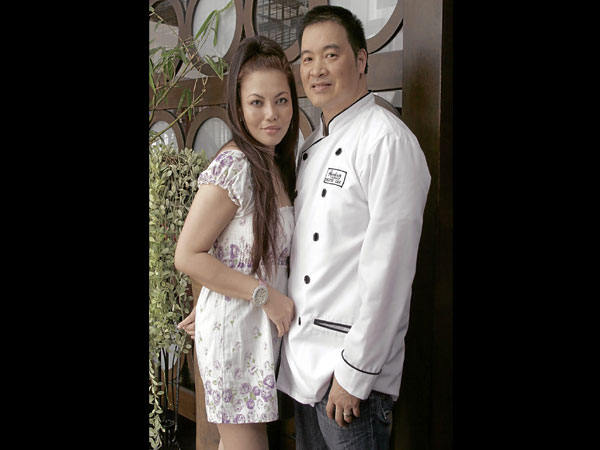
 While Vietnamese chef Danny Vu and his British-Filipina partner Natasha Reyes-Morse were dining in a local Vietnamese restaurant chain, they realized their dishes were laced with MSG (monosodium glutamate) and lard, and the broth was obviously made from a commercial soup powder.
The couple knew they could produce Vietnamese cuisine of better, more authentic quality. Vu is no stranger to the restaurant scene. He rebranded the famous Than Long restaurant in San Francisco, founded by the family of his ex-wife. Till today, it is famous for its luscious crabs and is patronized by many Filipinos.
The enterprising Morse established Aquaknox, originally a restaurant-bar whose name was derived from the soothing waterfalls in its decor. The restaurant’s vision is to change the public perception that Vietnamese food is just pho or rice noodle soup.
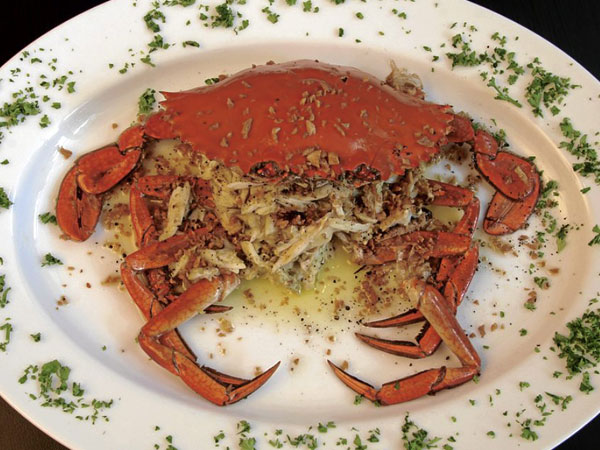
Aquaknox Vietnamese Kitchen, which recently underwent a facelift, focuses on Vietnamese comfort food with prices ranging from P80 to P370. Inspired by Than Long’s success, its showpieces are the de-shelled, soft crabs cooked in garlic oil.
“People can enjoy the crabs without getting their hands messy,” says Morse.
Faint flavors
Vietnamese food is, for the most part, oil-free, with faint flavors, and while some dishes are served in a sweet-sour caramel sauce, others are just done in a light marinade. Tiny bowls of light dipping sauces, usually a blend of the ubiquitous fish sauce, chopped peanuts and rice vinegar, go with nearly every dish.
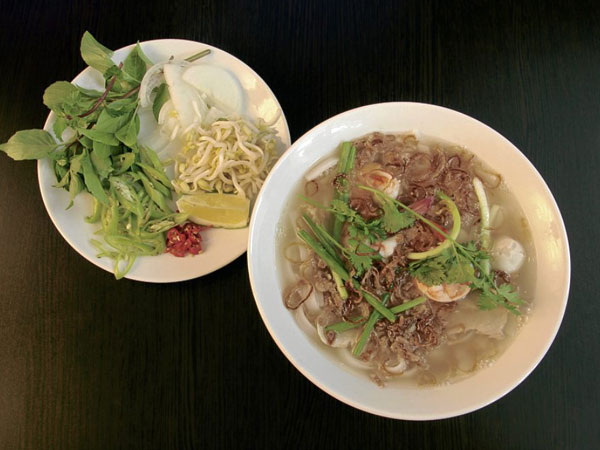
Most of the dishes mix pork, beef, chicken and shrimp in fine, crisp noodles or soup noodles. Diners can put in hot chili pastes or relishes to agree with their taste buds. Plates come with bundles of shredded lettuce and sprigs of basil and other garden-picked herbs.
“Noodles are like hamburgers in Vietnam,” says Vu, referring to the pho. He adds that noodle soups are found in every corner of Vietnam. Fish sauce is favored more than salt and is used in the marinade. However, Aquaknox’s fish sauce has been tempered to suit the local clientele.
The essential Vietnamese taste is characterized by its preference for complementary sweet and sour, cooked and raw, hot and cool, crispy and smooth. The flavors are more explicit yet understated.
As Vu explains: “The taste of broth is always subtle. It’s my pet peeve if it’s not cooked right. Then the dish is not available. The noodles must be tasty, the meat is always tender, and the fresh herbs help to build up the flavors. We make sure the bean sprouts are fat and wide. We don’t put processed ingredients.”
While other restaurants scrimp by using lard, Vu prefers vegetable oil and chucks in the MSG for fresh herbs. The rice paper for the rolls is made daily.
“We don’t pre-wrap the rolls and store in the fridge. Rice paper is very delicate. When it loses its moisture in the fridge, it hardens,” he says.
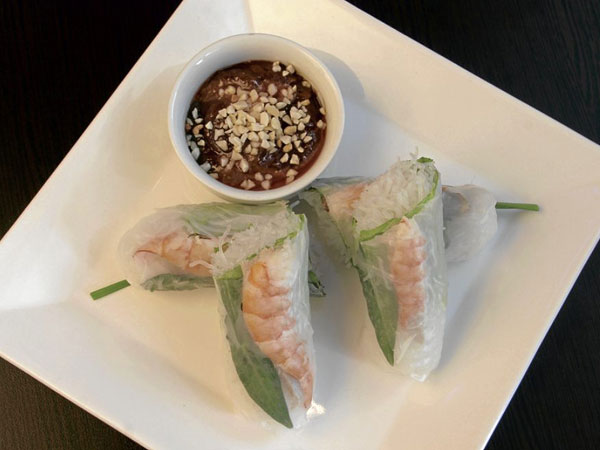
 Vu invites diners to experience the diversity of Vietnamese cuisine. People have been raving over the signature dishes: the clean-tasting Goi Cuon, fresh, translucent rice rolls with pronounced flavors of shrimps and pork over a blanket of lettuce and vermicelli noodles; the tarty pomelo salad; Chao Tom, minced prawns wrapped in sugarcane and garnished with fresh lettuce and noodles; Canh Ga Chien Voi Toi, fried chicken lollipops with jolts of garlic and scallions; and the Indochine Banh Xeo, a crepe tainted yellow with turmeric, filled with layers of chicken, shrimp, shiitake mushrooms, crunchy onions and bean sprouts.
The cold vermicelli bowl is another healthy dish which is served like a salad bowl of glass noodles laden with lettuce, cucumber, julienne carrots or grilled pork, chicken, shrimps and peanuts with nuouc nam or dipping sauce.
Innovations
The restaurant offers innovations such as the Xoi or sticky rice plate. Simple and gratifying, the malagkit or sticky rice is steamed with grilled chicken, pork belly or chorizo and topped with scallion oil and crispy shallots.
An example of slow cooking, the beef stew is made from freshly delivered meat and stewed for four hours daily. In other dishes such as the Bo Luc Lac or US Tenderloin Beef, Vu has to import meat since he finds the local meat too lean with not enough marble. He uses the Western technique of pan-searing the meat in a red wine to tenderize it and adds the Vietnamese touch of fish and sauce with tomatoes, red onions and scallions. The crust sates the palate with a slow heat that builds up before buckling down.
Cooked in clay pots, the Ca Hho Tieu, braised salmon with caramelized pepper sauce; and Tom Rim Man, caramelized garlic shrimps, balance the basic flavors—the sweet, sour, bitter, salty and mildly peppery. Vu adds that catfish is the main ingredient for the former. Since he could not source quality catfish here, he substituted it with salmon.
“Everybody needs Omega 3,” he says.
The desserts are a fusion of East and West: ripe banana fritters served with ice cream and chocolate sauce; panna cotta with coconut, mango or kiwi sauce and tapioca with sesame seeds and banana. The Vietnamese flan is prepared the French way, with low-fat milk, hence, the jiggly texture.
The meal is capped with strong Vietnamese coffee. It’s like having two shots of espresso with condensed milk dripped into the cup.
For Vu and Morse, Aquaknox is the venue to spread the word about Vietnamese food. Vu hopes its balanced, delicate, clean mingling of flavors will appeal to the local and expat customers hankering for healthy, light cooking.
 Aquaknox is located at 800 Arnaiz Ave., Makati, tel. 8943380; and Madison Square Mall, Ortigas Ave., Greenhills, tel. 4776413.
